



Breast reconstruction rebuilds volume, contour, and symmetry after a mastectomy, yet for many patients, the journey feels incomplete until the nipple and areola are restored. Even after implants or autologous tissue flaps settle into their final shape, looking in the mirror at a smooth, featureless breast mound or visible surgical scars can serve as a lingering reminder of cancer and surgery. A 3d areola little rock arkansas—also known as restorative nipple micropigmentation—acts as the final, non-surgical step that brings visual wholeness and emotional closure to the reconstructive process.
Bridging the Gap Between Structural Surgery and Natural Appearance
Surgical breast reconstruction focuses primarily on restoring the structural mound of the breast. While clothing fits normally again, the absence of a nipple-areola complex leaves a noticeable anatomical gap when undressed.
A 3D areola tattoo restores familiar visual landmarks without requiring another operation:
-
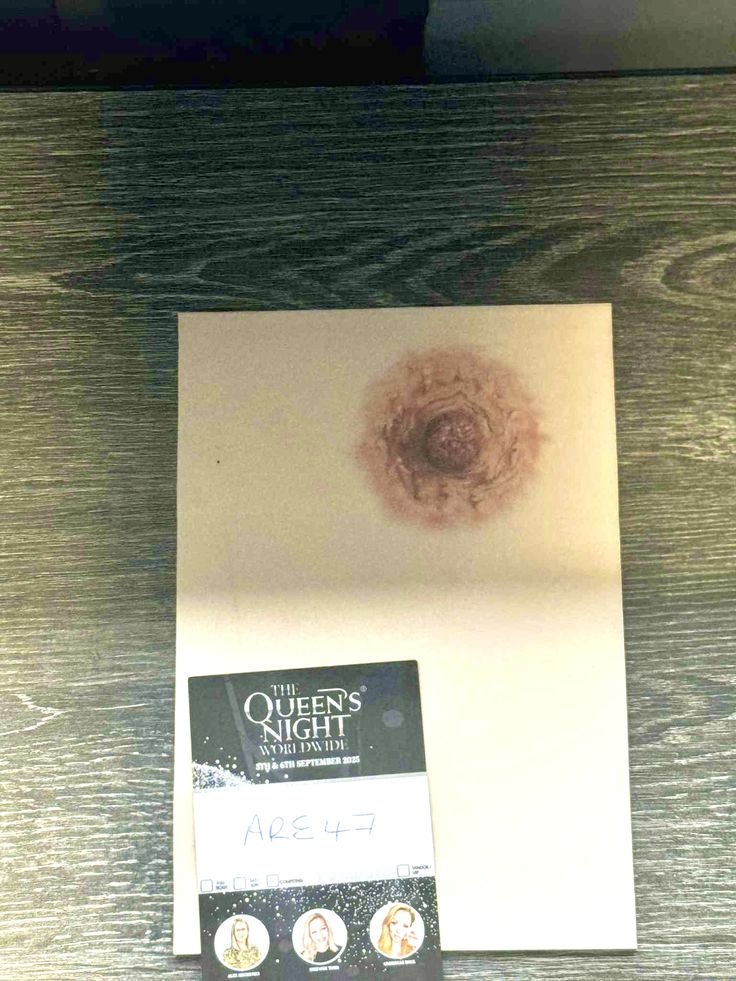
Creating Realistic Depth on Flat Skin: Because the tattooed area remains smooth to the touch, paramedical artists use fine-art principles of perspective, light, and shadow to create an optical illusion of projection. Pale highlights along the upper ridge of the simulated nipple (papilla) and soft cast shadows directly underneath fool the human eye into perceiving three-dimensional elevation.
-
Replicating Natural Skin Texture: Real areolas are never flat circles of uniform color. Artists use edge-free stippling to feather the outer border into surrounding skin and add micro-details like Montgomery glands (tiny raised bumps) and subtle freckling so the result looks organic rather than painted on.
-
Custom Color Matching: Human skin is semi-translucent, meaning implanted pigment interacts visually with underlying melanin and blood vessels. In single-breast reconstructions, the artist blends medical-grade pigments under neutral lighting to mirror the exact hue, diameter, and subtle mottling of the natural breast. In double reconstructions, shades are calibrated to harmonize with the patient’s Fitzpatrick skin type and natural undertones.
Softening Surgical Scars and Supporting Every Reconstruction Choice
Mastectomy and reconstruction surgeries frequently leave horizontal, diagonal, or circular incision lines across the breast mound. Paramedical tattooing integrates these marks seamlessly into the final aesthetic:
-
Camouflaging Central Incisions: Warm, layered pigments used to build the nipple and inner areola naturally break up and cover scar tissue passing through the center of the breast.
-
Blending Peripheral Scars: When scars extend beyond the areola’s outer edge, custom-matched skin-toned pigments can be delicately stippled along the incision line to soften contrast against surrounding skin.
-
Options Beyond Mound Reconstruction: Patients who choose an aesthetic flat closure (no breast mound reconstruction) can also receive 3D areola tattoos placed directly on the flat chest wall to restore familiar visual proportions. Likewise, patients who underwent surgical nipple flap reconstruction—which often flattens and remains skin-colored—frequently use 3D medical tattooing afterward to add natural pigmentation and lasting visual definition.
Psychological Closure Without Additional Surgical Strain
After enduring biopsies, chemotherapy, radiation, and major reconstructive operations, many survivors experience “surgery fatigue”—a reluctance to undergo another surgical procedure, anesthesia, and wound-healing cycle just to reconstruct a nipple.
3D areola tattooing delivers immediate psychological relief with minimal physical burden:
-
Gentle, Collaborative Experience: The procedure takes place in a calm clinical office or private paramedical studio using topical numbing cream. Because mastectomy nerves are often severed, most patients experience minimal to no discomfort during the 1-to-3-hour session.
-
Active Participation: Clients review and approve upright stencil placement and custom color swatches in a mirror before pigmentation begins, restoring a sense of agency over their body.
-
Emotional Wholeness: Clinical quality-of-life studies consistently associate nipple-areola restoration with higher satisfaction in body image, self-esteem, and comfort during intimacy. For many survivors, the appointment serves as a meaningful, celebratory ritual that officially closes the chapter on breast cancer reconstruction.
Timing, Healing, and Long-Term Care
To ensure safe healing and optimal pigment retention, proper timing and aftercare are essential:
-
Wait for Full Tissue Recovery: Most plastic surgeons and oncology teams recommend waiting at least 6 to 12 months after your final reconstruction surgery or radiation therapy—and obtaining written medical clearance—so swelling has resolved and scar tissue has matured.
-
Understand the Healing Curve: Fresh pigment appears 20% to 40% darker immediately after the appointment due to surface oxidation. After light flaking during weeks 1 to 2, fresh skin regenerates over the pigment, revealing soft, lifelike 3D depth by 6 to 8 weeks.
-
Follow-Up Touch-Up and Maintenance: A scheduled refinement session at 6 to 8 weeks allows the artist to reinforce highlights and balance color across scar lines. With daily broad-spectrum SPF 30+ sun protection, results typically stay crisp and natural for 3 to 5 years before benefiting from a light color refresh.
