

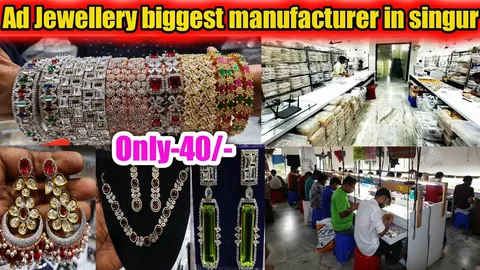
Starting a successful wholesale jewelry company is more than just having stunning designs at reasonable rates. Businesses also want trusted manufacturing partners that can ensure consistent product quality, accommodate large orders, and sustain long-term growth. If you offer trendy jewelry, fine jewelry or custom made accessories, selecting the correct manufacturer may directly impact your inventory, profit margins and customer happiness.
Finding the correct jewelry maker might be a challenge since there are many out there with varied goods, prices and manufacturing rates.
As your needs expand, Custom Jewelry Manufacturers that can satisfy your needs now should be able to accommodate your company. Being aware of what to look for can assist you in making educated judgments and establishing fruitful manufacturing partnerships.
-
Determine Your Jewelry Wholesale Business Needs
Before you start looking for jewelry makers, know your company needs. Decide what sort of jewelry you want to offer, what your target market is and what categories of products you want to sell.
Your wholesale firm may specialize in necklaces, bracelets, earrings, rings, pendants or full jewelry collections. You’ll also want to select if you want to sell inexpensive fashion accessories, luxury designs, or exquisite jewelry composed of precious metals and diamonds.
Think about your estimated order volumes, your budget, the materials you want, and your customisation needs. Once you have a good grasp of these variables, it is easy to choose manufacturers that fit within your company objectives.
-
Find manufacturers with expertise in your industry
Industry experience is a key factor when picking a wholesale jewelry manufacturing partner. Manufacturers that have appropriate knowledge are likely to have a better grasp of the manufacturing processes, material needs, design inclinations, and quality standards.
To find out what they can do, visit manufacturer websites, product catalogs, company biographies and past projects. Check to see whether they specialize in the jewelry area you want to buy.
You may also want to check out their expertise with mass manufacturing and bespoke orders. A producer skilled in your product class could be more knowledgeable about your specs and be better able to handle your manufacturing needs.
-
Assess the Quality of Product and Craftsmanship
The quality of the product is crucial for the success of wholesale company since merchants and consumers demand same standards in different purchases. Complaints and product returns might be due to cheap finishing, weak clasps, irregular plating or broken parts.
Before you decide, ask for samples from the maker to check out the things you are interested in buying. Look at the material quality, the weight, the finish, the structure, the arrangement of the stones, the overall look.
For quality jewelry, look at the metal purity and gemstone standards. Costume jewelry: Check for uniformity of the plating, safety of materials and durability during typical usage.
A manufacturer with good quality inspection standards will help you maintain consistency in your bulk purchases and safeguard your corporate image.
-
Prices and Minimum Order Quantities
Price directly impacts wholesale profits. So, firms should get quotes from many jewelry makers before making the final selection.
Ask for a complete price list including material prices, production charges, customisation costs, packing and any other fees that may apply.
Another crucial issue is Minimum Order Quantity (MOQ). Some manufacturers will only sell to companies that buy in bulk, others may be more flexible.
Working with manufacturers who supply reasonable minimum order quantities may decrease inventory risks and make it simpler to test new product ideas for startups and expanding wholesalers.
But don’t choose a manufacturer only on the cheapest price. Compare the product quality, manufacturing reliability and overall value for the different choices.
-
Review Customization & Private Label Service
Customization may help wholesale jewelry firms distinguish their products. Rather of just selling basic designs, firms may wish to create collections that represent their corporate identity and consumer tastes.
Search for brands that provide customizable choices including various metal finishes, gemstone pairings, sizes, designs, textures and engraving.
Private label production is another good alternative for organizations who wish to sell jewelry under their own brand names. Depending on what the manufacturer provides, this can include unique designs, branded packaging, product labels and other presentation elements.
Talk about what customization choices are available before you buy and make sure there will be any extra costs or manufacturing time.
-
Evaluate Production Capacity and Scalability
A manufacturer should be able to handle your present wholesale orders, but they should also be prepared for your company to expand. Your client base grows, you could require greater volume, more designs, and more frequent production cycles.
Inquire about the production capacity, staff, equipment used in production and when you can expect to get your order.
You should also ask about how the manufacturer handles recurring orders and maintains consistency in product requirements.
When your wholesale firm receives bigger orders, choosing a manufacturing partner that can accommodate your production will save you from avoidable delays.
-
Learn About Material Sourcing and Sustainability
Material sourcing is becoming a challenge for jewelry makers. Consumers are more interested in the materials that go into their accessories and how things are made.
Ask the manufacturer about their metal and gemstone sources, sourcing, and what documentation is available for the material.
If sustainability is part of your brand positioning examine possibilities such as recycled metals, sustainably sourced gemstones, and more efficient manufacturing techniques.
By sharing transparent product information, your firm can make better buying choices and clearly explain product specifications to merchants and consumers.
-
Check Communication and Delivery Reliability
You need to be able to communicate well for bulk orders. A reputable manufacturer will be open about product details, price, manufacturing timelines, and order updates.
Ask some questions and see how fast they answer and whether they can put manufacturing needs in writing before contracting.
Delivery reliability is also highly crucial. Late shipments may impact inventory planning, store commitments and seasonal sales prospects.
Estimate production timeframes, packing arrangements, delivery methods and procedures for addressing unanticipated delays. Having clear agreements helps both parties to manage expectations and prevent misunderstandings.
-
Test Before You Bulk Buy
Even after investigating a manufacturer’s services, a short trial order is a sensible approach to assess them. This enables you to evaluate product quality, packaging, communication, delivery performance and order correctness.
Check delivered items against authorized samples and specifications. Verify that the manufacturer has consistently maintained the quality and has followed the manufacturing standards as agreed.
If the trial order fulfills your expectation, you may progressively raise the order quantity and build a long-term business partnership.
-
Create a Long-Term Manufacturing Relationship
Consistent product availability and strong supplier connections are key for wholesale company success. Don’t keep changing manufacturers – seek for long-term relationships with providers that understand your needs.
Frequent communication, realistic production planning, regular payments and clear expectations may help build professional partnerships.
A trusted manufacturing partner can also help you explore new ideas, grasp what’s possible in production and adapt to shifting market demand.
Conclusion
Finding the top jCustom Jewelry Manufacturers for a growing wholesale company takes rigorous study and assessment. Finally, companies should analyze their potential partner’s industry expertise, quality of product, price, minimum order quantities, customization possibilities, manufacturing capacity, sourcing of materials and dependability of delivery before making a decision.